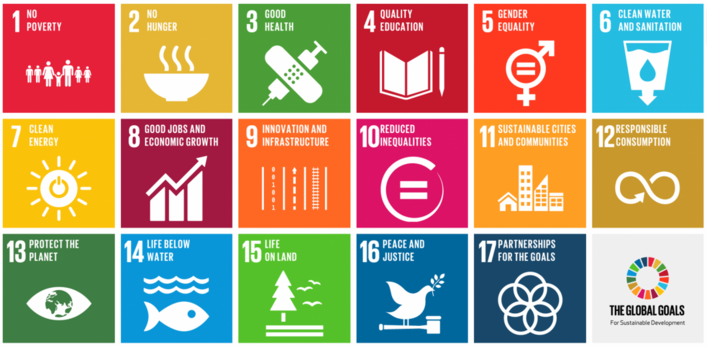
The SDGs, set by the United Nations in 2015, are a universal call to action to end poverty, protect the planet, and ensure that all people enjoy peace and prosperity by 2030. These goals recognize that ending poverty must go hand-in-hand with strategies that build economic growth and address a range of social needs, including education, health, social protection, and job opportunities while tackling climate change and environmental protection.
Inception and Background
The concept of sustainable development emerged in the 1980s as a response to the realization that global development needs to be balanced with environmental preservation. The SDGs were born out of the Millennium Development Goals (MDGs), which started in 2000 to address a range of basic social needs in the developing world. While the MDGs made significant strides, they did not fully incorporate the sustainability aspect in a comprehensive manner. Therefore, the SDGs were developed to not only continue the work of the MDGs but also to integrate and balance the three dimensions of sustainable development: economic growth, social inclusion, and environmental sustainability.
Overview of the 17 Goals
- No Poverty: Aiming to eradicate poverty in all its forms, this goal acknowledges poverty as the greatest global challenge.
- Zero Hunger: Addresses not just food scarcity but also the need for nutritious and sufficient food.
- Good Health and Well-being: Focuses on ensuring healthy lives and promoting well-being at all ages.
- Quality Education: Emphasizes inclusive and equitable quality education and lifelong learning opportunities.
- Gender Equality: Aims to achieve gender equality and empower all women and girls.
- Clean Water and Sanitation: Stresses the importance of safe and affordable drinking water and sanitation for all.
- Affordable and Clean Energy: Targets clean and affordable energy for all.
- Decent Work and Economic Growth: Promotes inclusive and sustainable economic growth and employment.
- Industry, Innovation, and Infrastructure: Involves building resilient infrastructure, promoting inclusive and sustainable industrialization, and fostering innovation.
- Reduced Inequality: Focuses on reducing inequalities within and among countries.
- Sustainable Cities and Communities: Aims to make cities inclusive, safe, resilient, and sustainable.
- Responsible Consumption and Production: Encourages sustainable consumption and production patterns.
- Climate Action: Urges immediate action against climate change.
- Life Below Water: Aims to conserve and sustainably use oceans, seas, and marine resources.
- Life on Land: Strives to protect, restore, and promote sustainable use of terrestrial ecosystems.
- Peace, Justice, and Strong Institutions: Aims to foster peaceful, just, and inclusive societies.
- Partnerships for the Goals: Focuses on revitalizing the global partnership for sustainable development.
Significance and Relevance
The SDGs are significant because they provide a holistic approach to addressing global issues. They recognize the interconnectedness of various aspects of development, meaning that progress in one area is often contingent upon progress in others. For instance, poverty reduction is not only about economic support but also about access to quality education, healthcare, and sustainable resources.
Implementation Challenges
Implementing the SDGs poses numerous challenges. One of the major challenges is financing. The estimated cost of achieving the SDGs is in the trillions of dollars, a sum that far exceeds current levels of aid and investment in most developing countries. Another challenge is ensuring inclusive participation. The goals call for leaving no one behind, but achieving this requires the inclusion of marginalized and vulnerable groups, which is often challenging due to existing social and political structures.
Political commitment is also crucial. The success of the SDGs relies heavily on the commitment of national governments to integrate these goals into their national planning processes and policies. This commitment can be hindered by political instability, conflict, or lack of political will.
Additionally, monitoring and evaluation present a significant challenge. The SDGs come with a set of targets and indicators, but for many countries, especially those with limited resources, tracking progress against these indicators is a daunting task.
Strategies for Implementation
To overcome these challenges, a multi-pronged approach is necessary. This includes:
- Strengthening Global Partnerships: This involves collaboration between governments, the private sector, and civil society. Public-private partnerships can play a crucial role in providing the necessary resources and innovation.
- Mobilizing Financial Resources: Apart from government spending, attracting private investment and leveraging technology and innovation are essential for financing the SDGs.
- Capacity Building: For many countries, especially the least developed ones, building institutional and human capacity is necessary to implement the goals effectively.
- Raising Awareness and Participation: Public awareness and participation are crucial for the success of the SDGs. This involves education and advocacy efforts to ensure that everyone understands the goals and their importance.
- Integrating SDGs into National Policies: Countries need to integrate the SDGs into their national planning and policy frameworks, tailoring them to their specific contexts and priorities.
Conclusion
The SDGs represent an ambitious but essential framework for global development. Their success depends on collective and concerted efforts from all sectors of society. While the challenges are significant, the SDGs provide a roadmap for a more sustainable, equitable, and prosperous world. The coming years are crucial, as the world works towards the 2030 deadline, and the progress made will have lasting implications for future generations and the health of the planet.